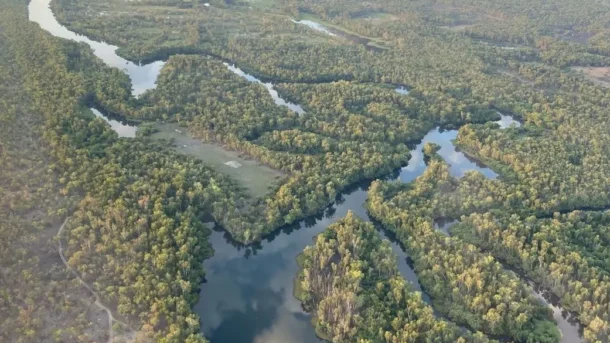
Kakadu National Park, a UNESCO World Heritage site in the Northern Territory, is famous for its diverse landscapes, rich culture and abundant wildlife. Saltwater crocodiles are one of the most notable animals in the park and can be found in many of the park’s waterways. While the risk of crocodile attack is low, it’s important to understand the behaviour of these reptiles especially during certain times of the year such as breeding season.
Key Facts and Safety Tips
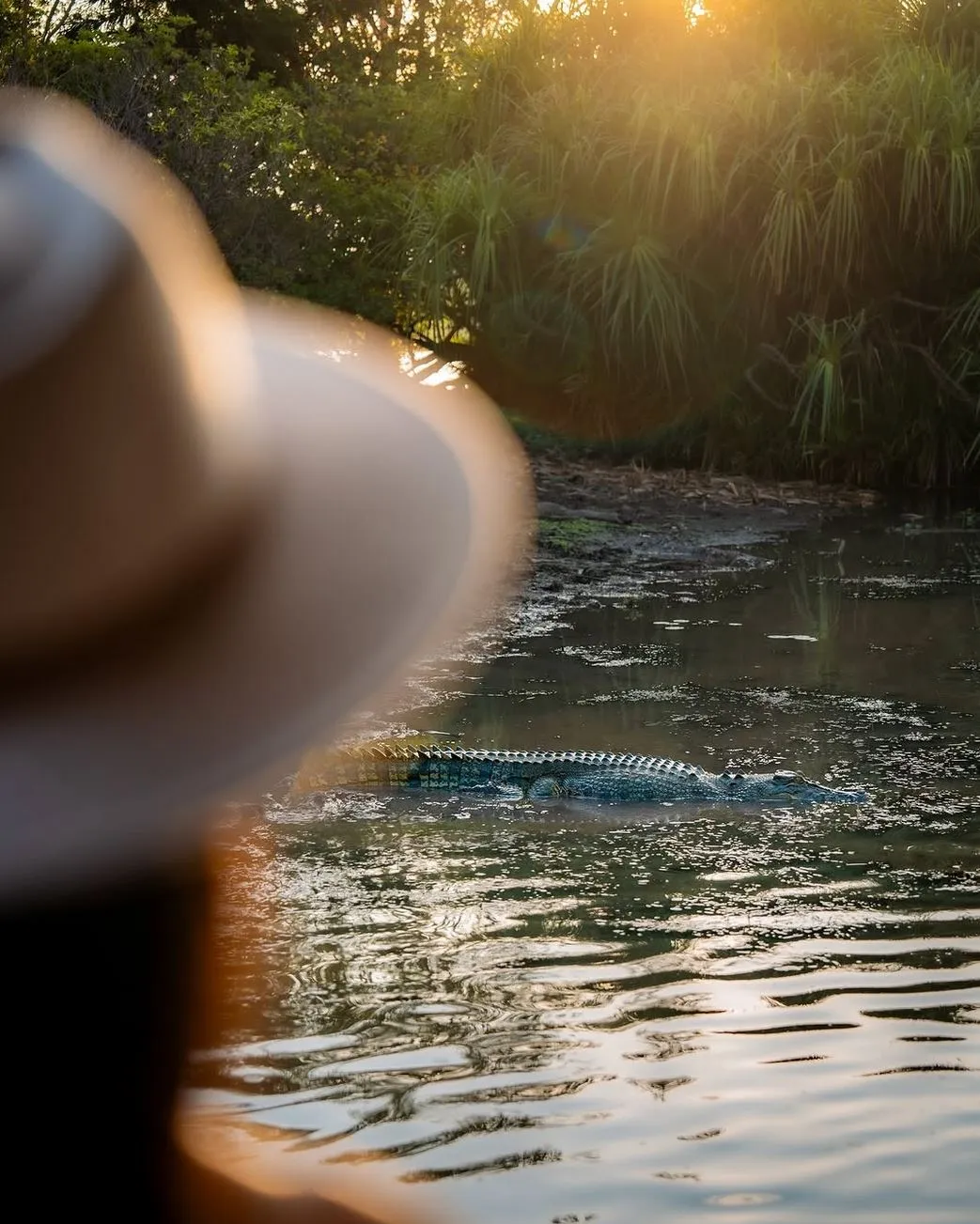
Kakadu has both freshwater and saltwater crocodiles, the latter being the largest and most dangerous species. These crocs can be found in various environments in the national park including billabongs, rivers and estuaries. Saltwater crocodiles are most aggressive during the wet season and breeding season when they are more territorial.
In both the dry and wet seasons the crocodiles are found in different parts of the park as they move between waterways depending on food and conditions. During the dry season when the water is lower the crocodiles tend to congregate in fewer areas and may interact more with human activities. In the wet season the crocodiles may be more dispersed as the park gets more water.
Crocodile Attack Statistics
Although crocodile attacks are a concern for some visitors they are relatively rare in Kakadu. There have been only a few recorded incidents of crocodile attacks in the park’s history and the park management takes a proactive approach to mitigate the risks. In fact the last recorded fatal attack was several years ago. Since then authorities including Indigenous rangers and park staff have worked together to enhance safety measures and raise awareness about the risks of crocodile-infested waters.
In Kakadu National Park, staff and Indigenous rangers are responsible for educating the public about the presence of crocodiles and providing safety advice. Signs are posted at key locations and boat ramps are monitored to ensure visitors are not entering dangerous waters. But even with these precautions it’s important to stay informed and follow park management’s advice.
How to Stay Safe
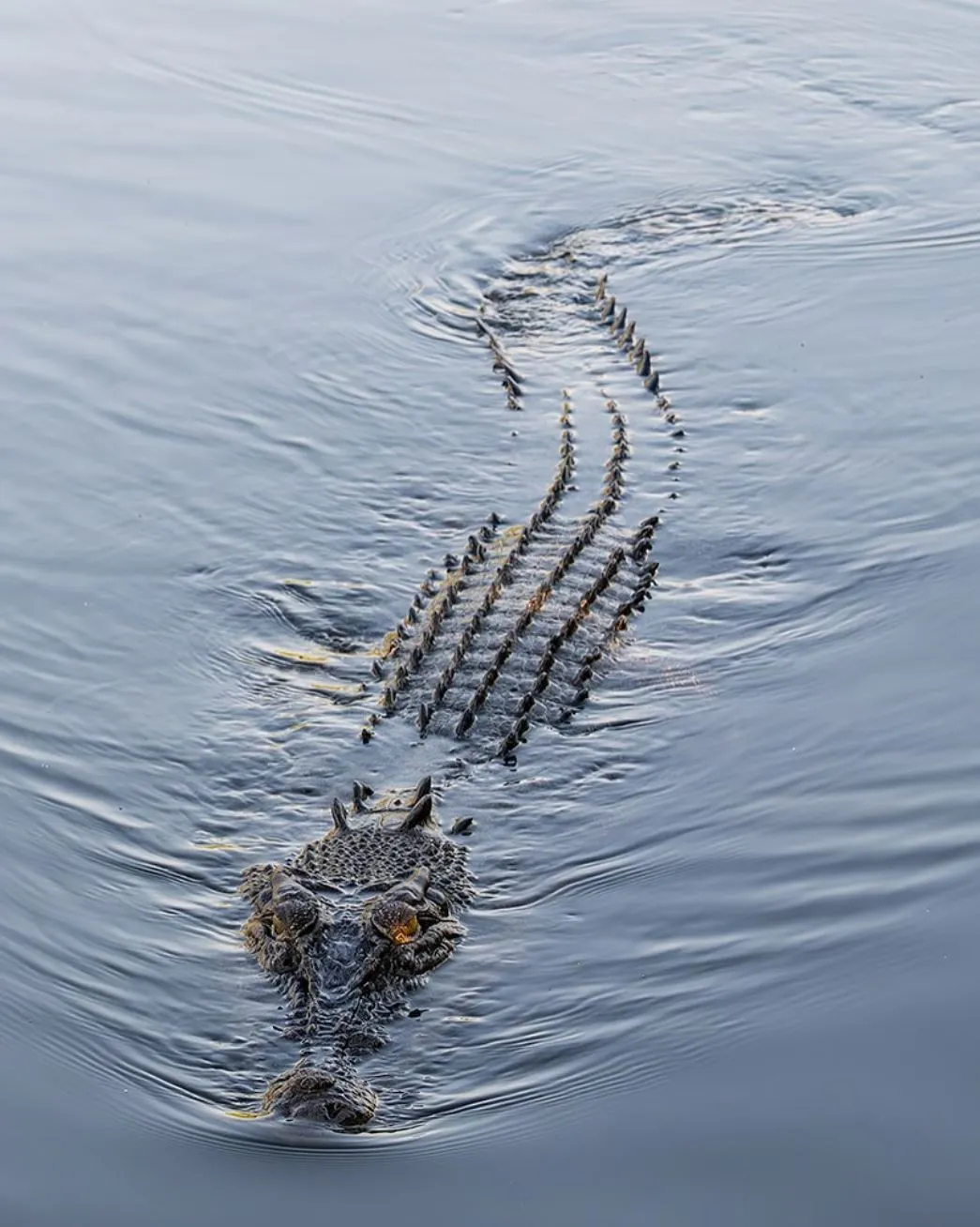
If you’re heading to Kakadu, follow this safety advice to avoid crocodile encounters. Here’s what to do:
- Stay out of the water: Never swim in open water where crocs might be present. Always stick to designated swimming areas and be aware of boat noise that can attract crocs.
- Listen to park staff: Indigenous rangers and park staff know the crocs and can tell you where it’s safe to go.
- Heed warning signs: Kakadu’s boat ramps and accessible roads have clear warning signs about crocodile dangers.
- Stay on track: Stick to dirt roads and accessible roads to minimise the chance of wandering into croc territory. Human behaviour can also influence the likelihood of an encounter, so be aware and cautious.
- Be aware during breeding season: Crocs are most aggressive during breeding season (August to November). During this time, be extra careful near water.
Here’s a table of crocodile activity and safety tips for dry and wet seasons:
| Season | Crocodile Activity | Safety Tips |
|---|---|---|
| Dry Season | Crocodiles tend to concentrate in fewer areas, increasing the likelihood of encounters. | Avoid open waters, pay attention to signs, and stay in designated areas. |
| Wet Season | Crocodiles may be more dispersed as water levels rise, but remain active and aggressive during the breeding season. | Be extra cautious near water and follow park staff advice on safe areas for exploration. |
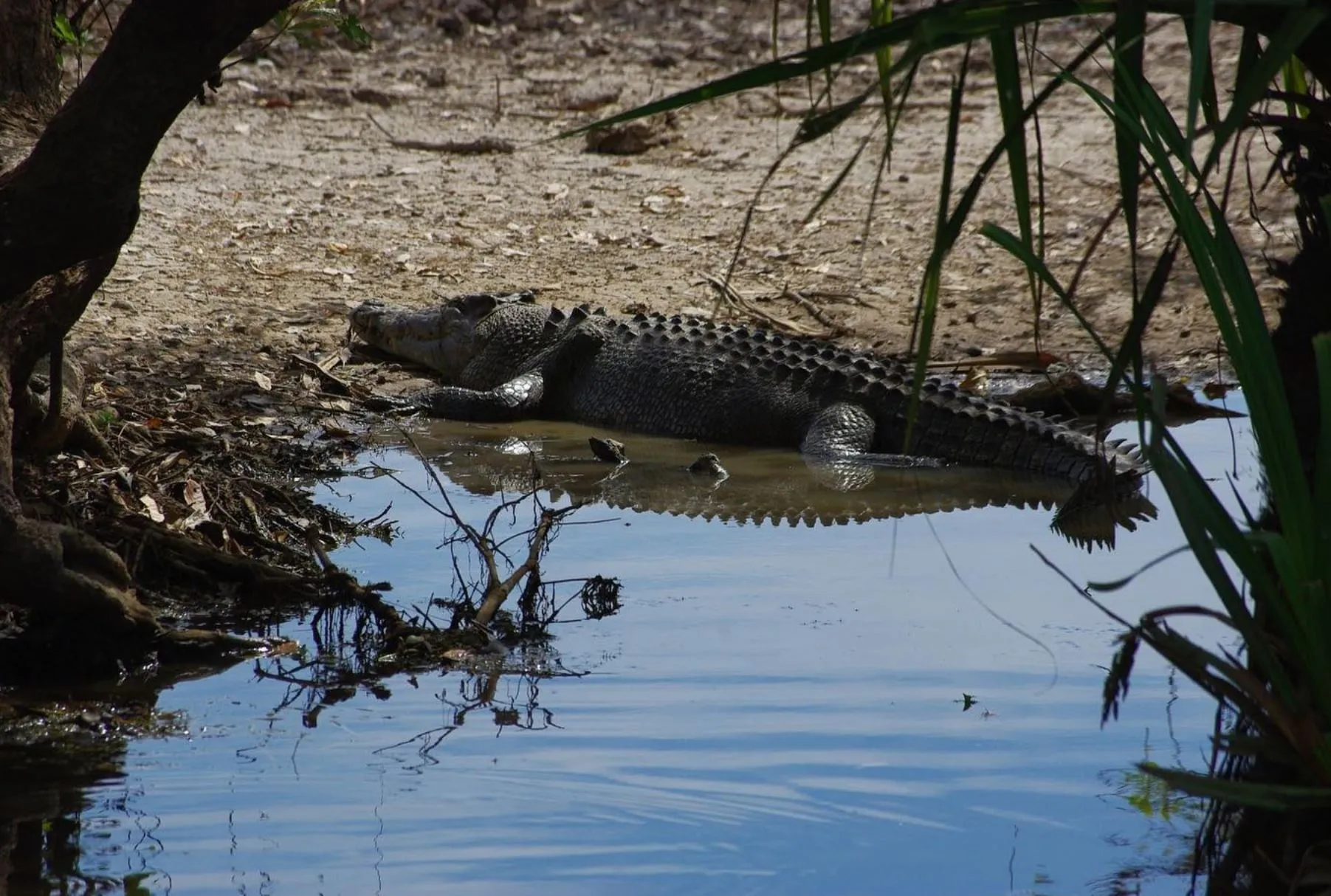
Looking to see Kakadu’s stunning landscapes and wildlife? Join our 4 day Kakadu tours from Darwin. These guided tours cover all the top attractions so you can explore safely with local guides who know crocodile safety and park rules.
Indigenous Culture and the ‘Crocodile Woman’
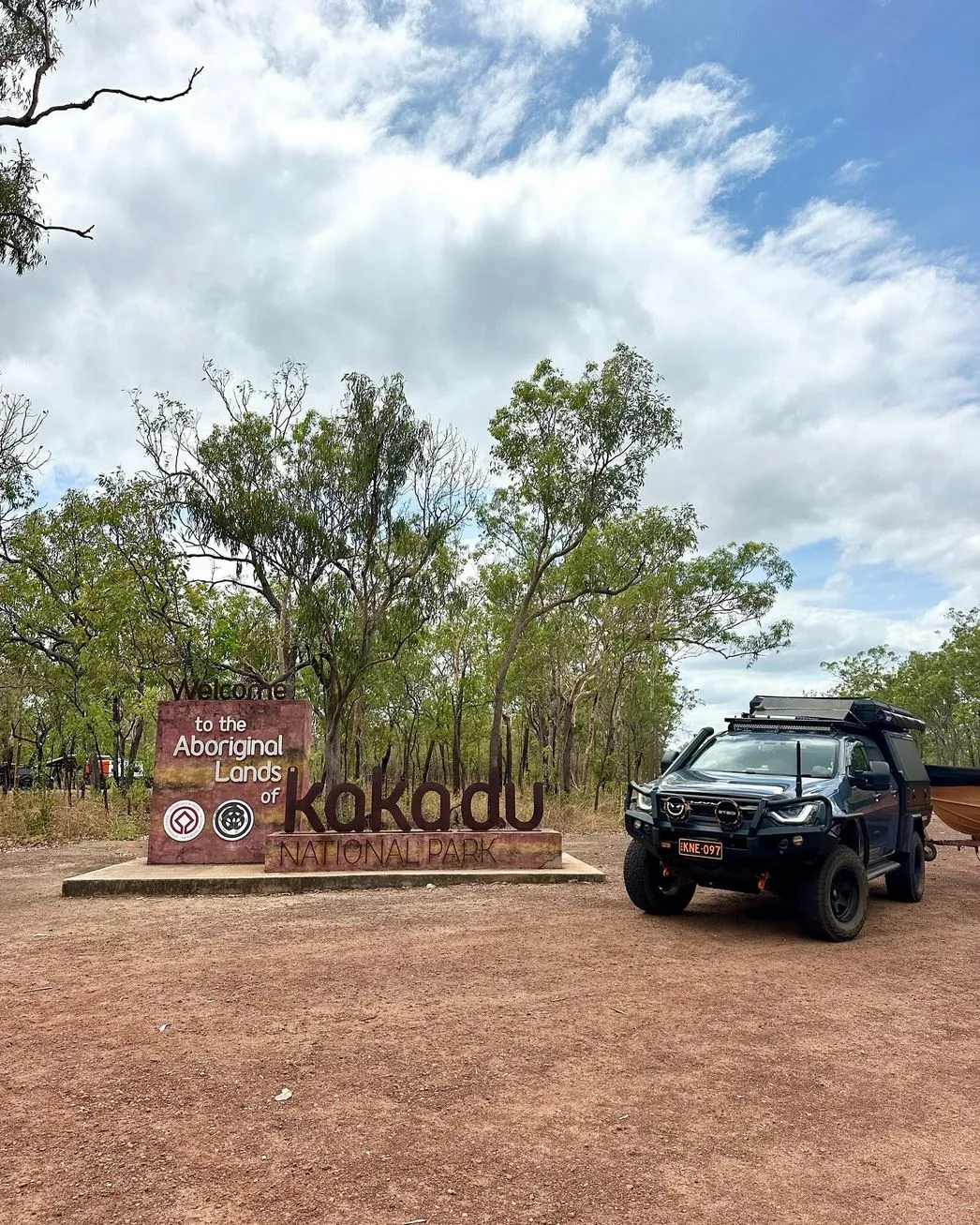
The Indigenous people of Kakadu have been telling stories about the ‘Crocodile Woman’ for generations. These stories teach us to respect crocodiles and the environment. The Indigenous rangers incorporate these cultural teachings into their safety advice for visitors.
Nearby Places to Visit
While Kakadu is the main event in the area, there are other amazing places to visit nearby. Litchfield National Park, just a couple of hours from Kakadu, is famous for its waterfalls and swimming holes. Nitmiluk National Park has Katherine Gorge and scenic boat tours and hiking. If you want to go deeper into wildlife, Wildlife Tours has guided tours that introduce you to the Top End’s incredible wildlife.
FAQ
Are crocodiles common in Kakadu?
No, crocodile attacks are rare in Kakadu but they can happen. Park management, along with Indigenous rangers and park staff work hard to provide safety advice and reduce the risk by monitoring bodies of water especially near roads and boat ramps.
How does the wet season affect crocodile behaviour?
During the wet season the water rises and crocodiles move to different areas in the park. While they may be more spread out it’s still important to follow park staff advice as they can become more aggressive during breeding season.
Can I swim in Kakadu National Park?
Swimming is only allowed in designated areas where the water is safe. Never swim in open water or areas where crocodiles are present, especially in bodies of water where crocodiles are known to frequent during the wet season.
How do crocodiles in Kakadu regulate their body temperature?
Crocodiles are cold-blooded reptiles so they regulate their body temperature by basking in the sun or retreating to cooler areas like deeper water when it’s too hot. Their activity levels vary with the weather and body temperature.
What should I do if I see a crocodile?
Suppose you see a crocodile stay calm and back away slowly. Never approach or try to feed a crocodile. If you’re on a boat move away quietly and don’t make loud noises that will attract the crocodile.