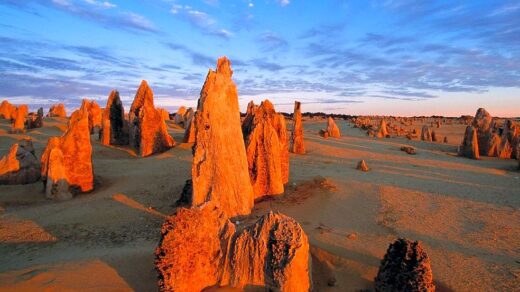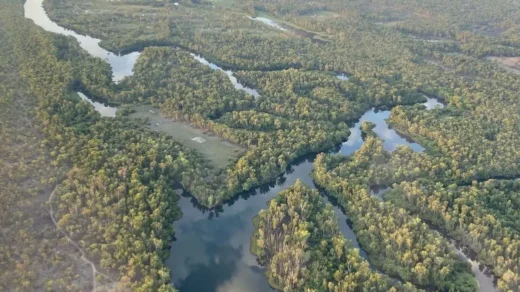
Kakadu National Park, a UNESCO World Heritage site in the Northern Territory of Australia, is one of the last remaining big wilderness areas of the world. Spanning nearly 20,000 square kilometres, this national park is a nature lover’s paradise with diverse ecosystems, cultural significance to the traditional owners and an incredible array of wildlife. Thousands of tourists visit Kakadu each year as part of their Australian trip and are inspired by the biodiversity and landscape changes between the dry and wet seasons.
Amazing animals
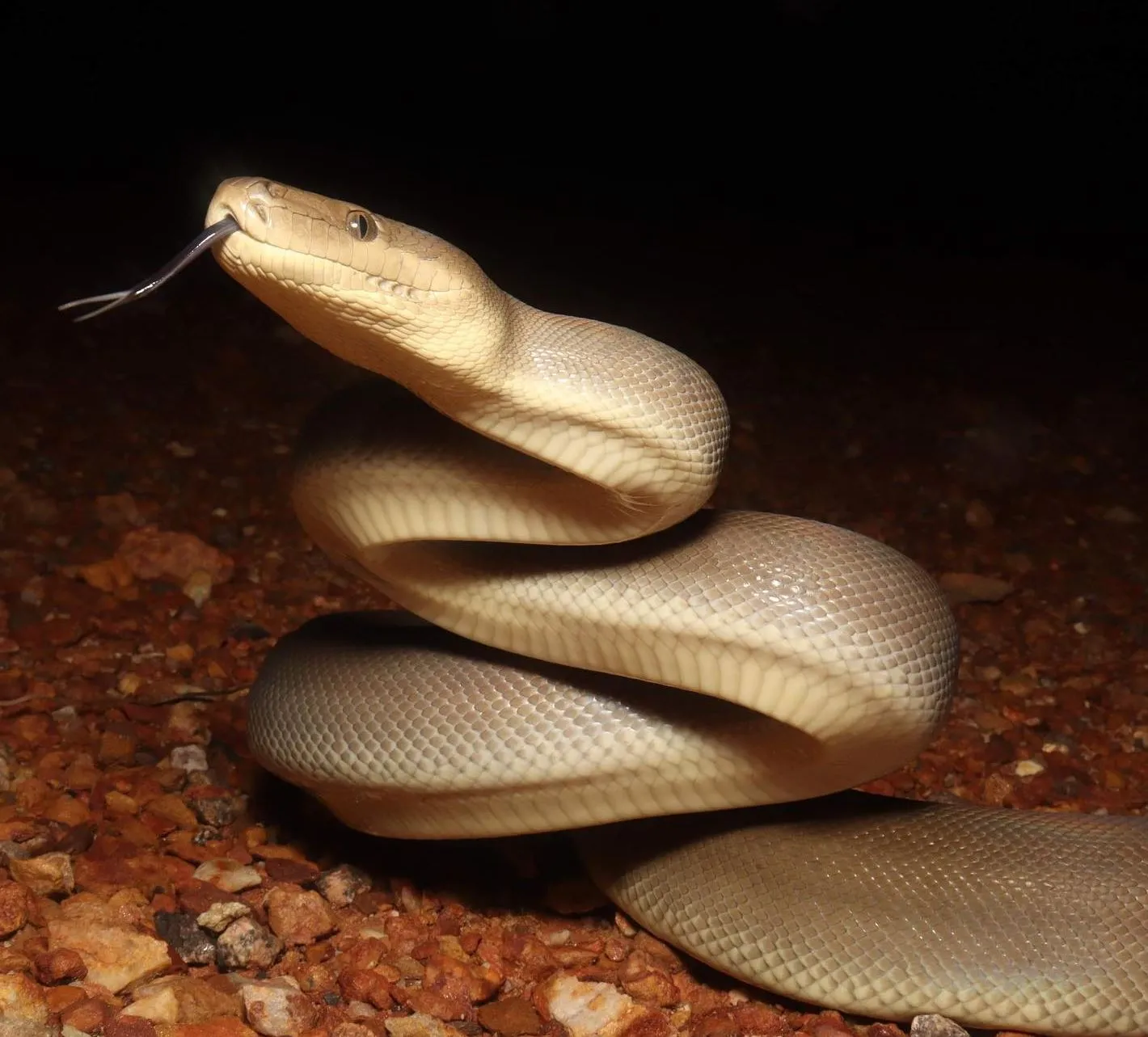
Among the many amazing animals in Kakadu, snakes play an important and interesting role in the ecosystem. Whether you’re a wildlife buff or a travel enthusiast who loves to understand animal life in their natural habitat, learning about the common snakes of Kakadu adds to the experience of visiting this part of the Top End.
Kakadu’s floodplains, billabongs, woodlands and sandstone escarpments provide perfect shelter and hunting grounds for many species of reptiles including aquatic snakes and terrestrial snakes. These areas are also home to freshwater crocodiles, turtles, bird species and mammals. Despite their reputation as scary animals, snakes in Kakadu are rarely aggressive and will avoid human contact unless threatened.
To help you compare the most common species, here’s a quick reference table of the snakes found in Kakadu:
| Snake Species | Venomous | Habitat Type | Season Most Active | Notable Traits |
|---|---|---|---|---|
| Olive Python | No | Wetlands, rock crevices | Dry season | One of Australia’s largest snakes |
| Water Python | No | Wetlands, rivers | Wet season | Iridescent scales, aquatic habits |
| Children’s Python | No | Rocky areas, woodlands | Year-round | Small size, calm demeanour |
| Brown Tree Snake | Mild | Trees, shrubs | Night, Year-round | Arboreal, mildly venomous |
| King Brown Snake | Yes | Savanna, floodplains | Breeding/dry season | Highly venomous, widespread |
| Common Death Adder | Yes | Woodlands, grasslands | Dry season | Ambush predator, fast-striking |
| Northern Brown Snake | Yes | Open grasslands | After heavy rain | Fast-moving, responsible for most bites |
Let’s look at the most common snakes found in Kakadu and why they are so important to this region’s wildlife.
Olive Python (Liasis olivaceus)
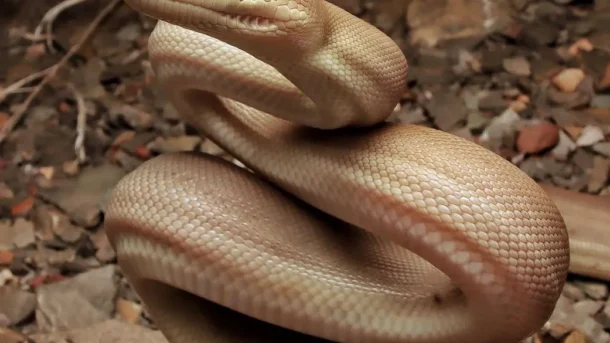
The Olive Python is Australia’s second biggest snake and one of the biggest reptiles in the area. Up to 4 meters long, this non-venomous constrictor is often found near water, rivers, creeks and wetlands. As an aquatic snake it likes areas with consistent water and dense vegetation. The Olive Python plays a key role in controlling native species like birds, reptiles and mammals, using its powerful body to constrict prey.
This species is seen during the dry season when it emerges from rock crevices and floodplains to feed. Despite its size, the Olive Python is a gentle giant and poses no threat to humans. But it’s protected, and its habitat must be respected.
Water Python (Liasis fuscus)
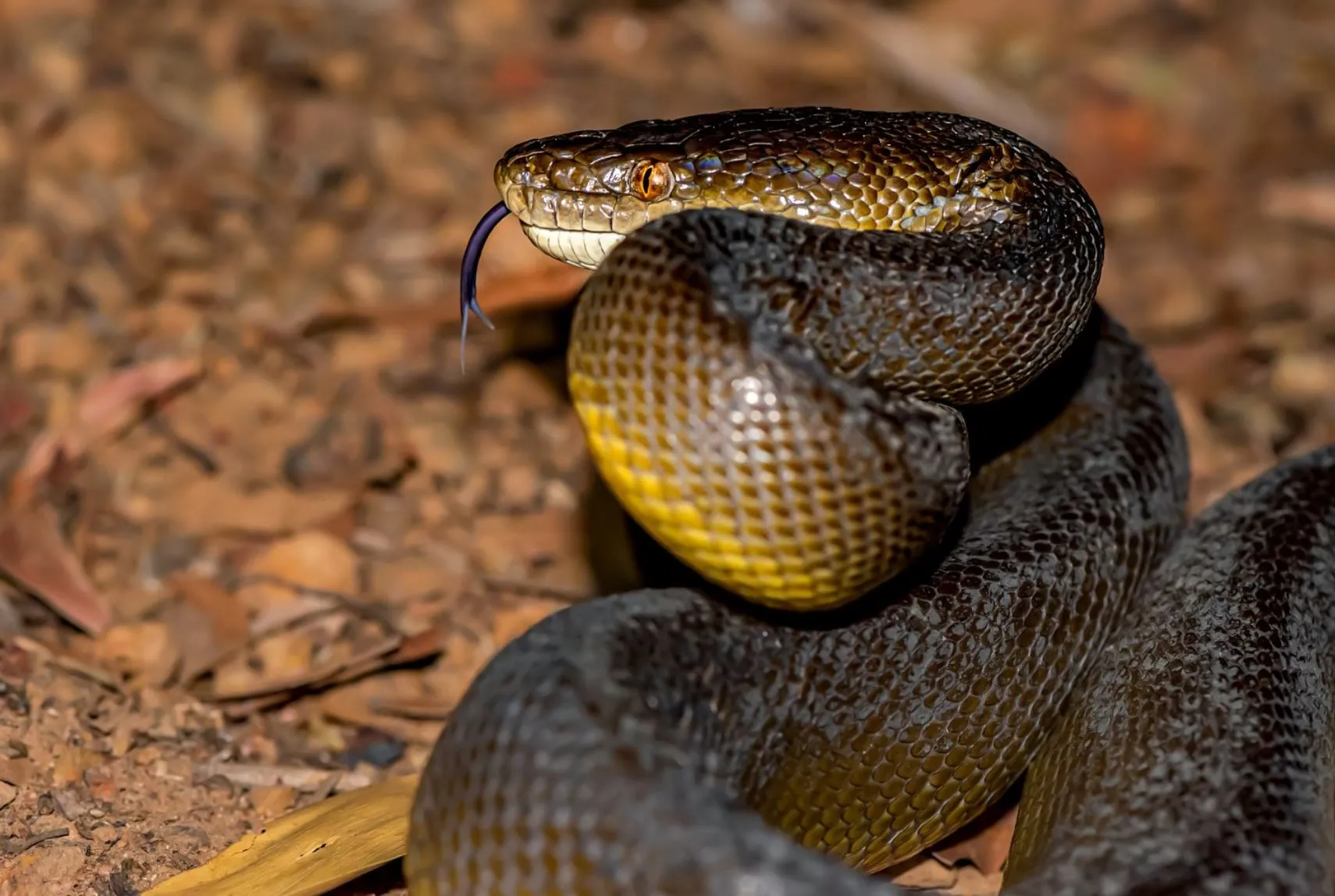
The Water Python is another non-venomous species that thrives in the wetlands and floodplains of Kakadu during the wet season. Its shiny, iridescent scales give it a beautiful glossy appearance. Found near water sources, the Water Python is a great swimmer and hunter, feeding on birds and mammals that are attracted to these areas.
Its activity levels peak when the rain comes and the food is abundant. It’s often seen on boat trips through Kakadu’s coastal waters and river systems, so it’s a highlight for Wildlife Tourists. The Water Python shows how animals adapt to the seasonal changes in their environment.
Children’s Python (Antaresia childreni)
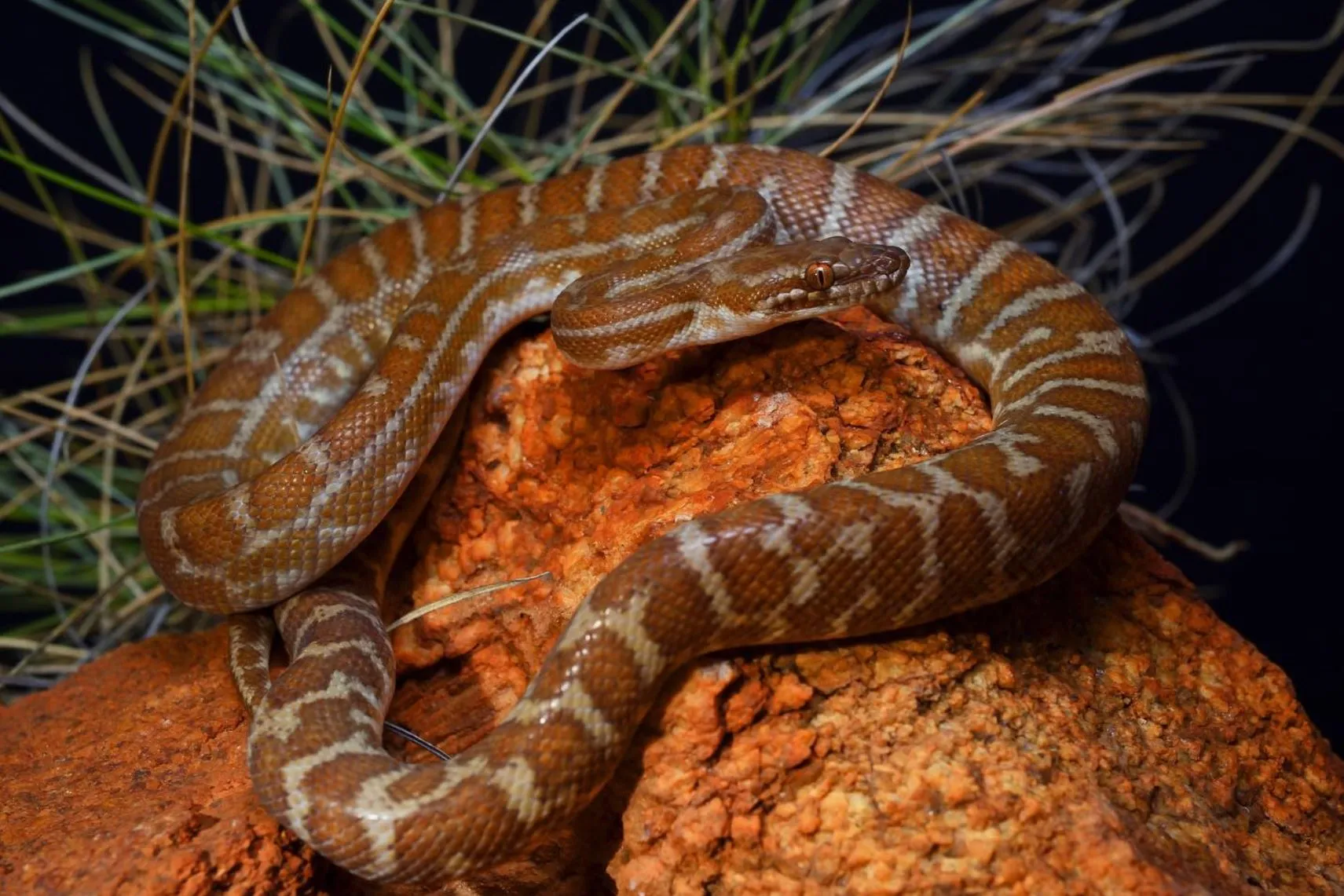
Named not for children but for the scientist John George Children, this small python is a favourite among herpetologists for its calm nature and manageable size. Under 1 meter long, the Children’s Python lives in rocky outcrops, savanna woodlands and termite mounds.
It feeds on smaller reptiles and mammals, helping to maintain the food chain. It’s a great example of how native species can thrive when their habitat is left alone. But like many animals in Kakadu, the Children’s Python is under pressure from habitat destruction and invasive species.
Brown Tree Snake (Boiga irregulars)
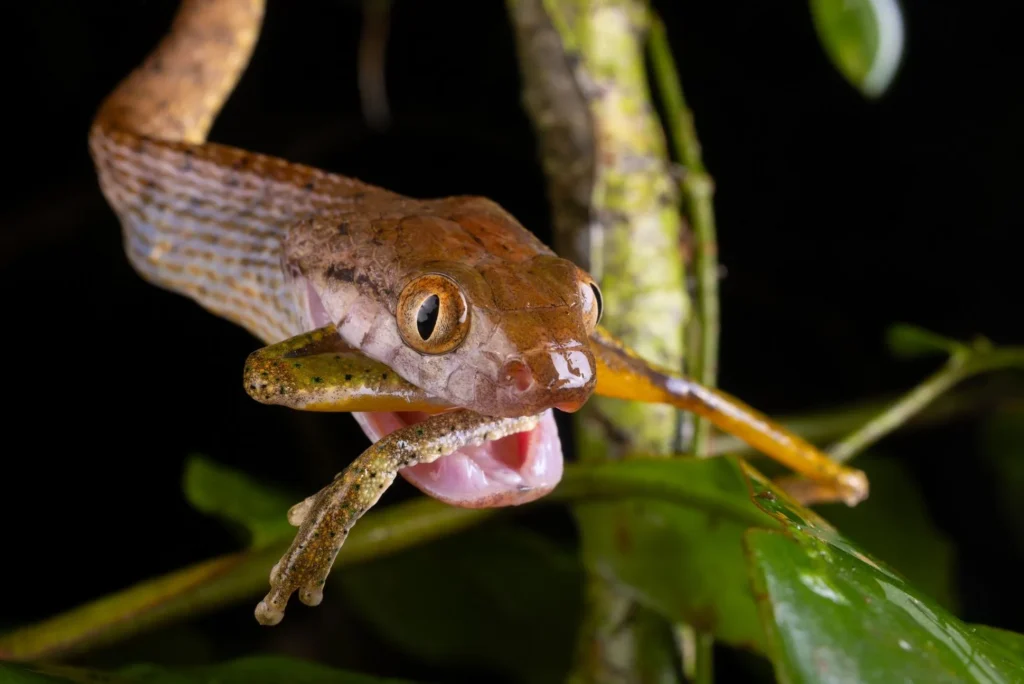
This venomous snake is a great climber and found in trees and shrubland. Active at night, it feeds on birds, lizards and small mammals. While its venom is not deadly to humans, it can impact native bird populations if the ecological balance is disrupted.
This species is often mentioned in conversations about invasive species because of its introduction to other areas like Guam where it decimated the bird population on the island. But in Kakadu it’s a natural part of the ecosystem and an example of the animal life that coexists in this national park.
King Brown Snake (Pseudechis australis)
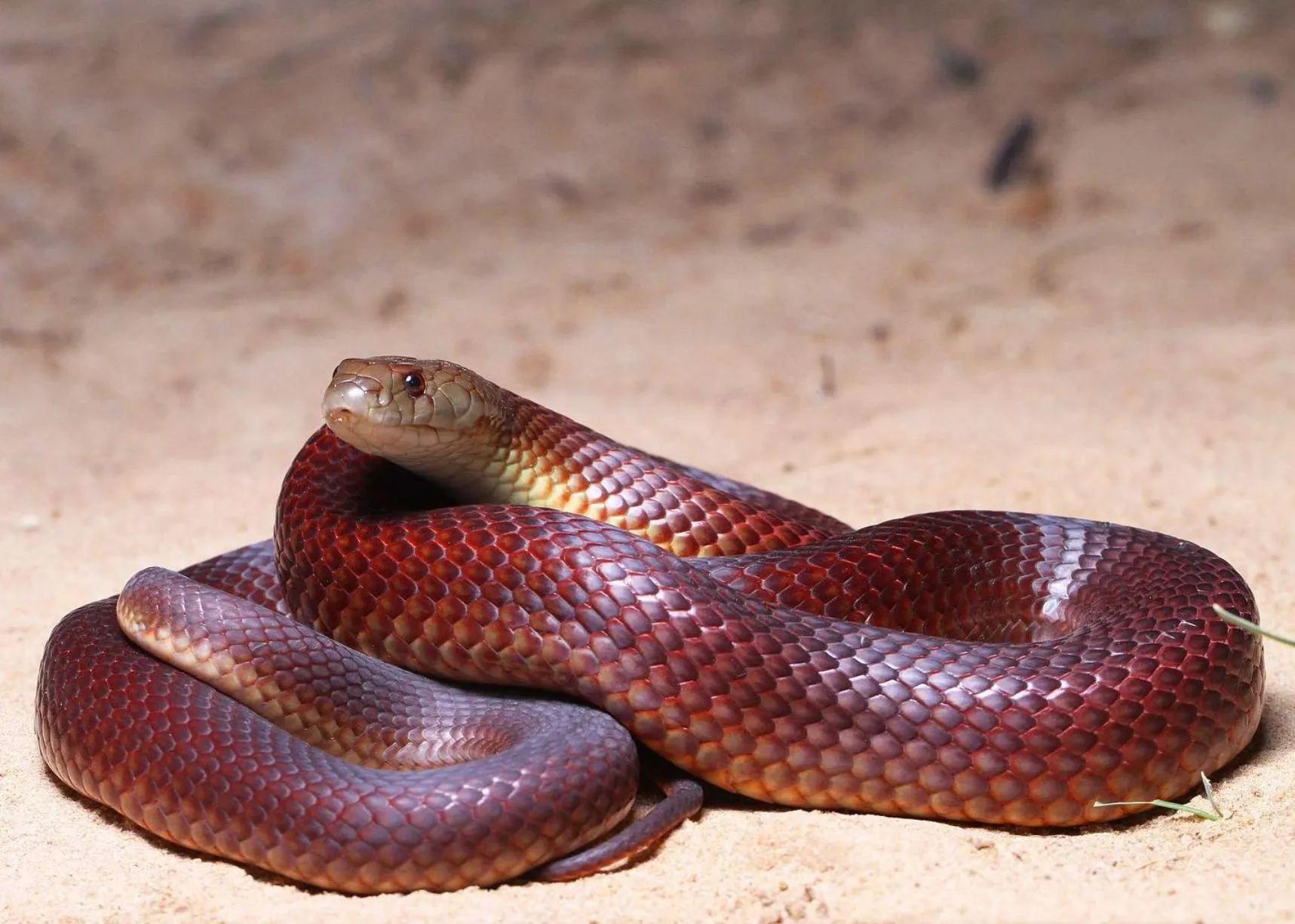
Also known as the Mulga Snake, this is one of Australia’s most venomous and widespread snakes. Despite the name, it’s more closely related to black snakes. Found throughout Kakadu, from arid savanna to wetter floodplains.
Active during breeding season and warmer months, it preys on other reptiles, amphibians and small mammals. Highly venomous and never approach. Though a dangerous animal, it’s an important part of the ecosystem, controlling smaller populations and part of the web of predator-prey relationships.
Common Death Adder (Acanthophis antarcticus)
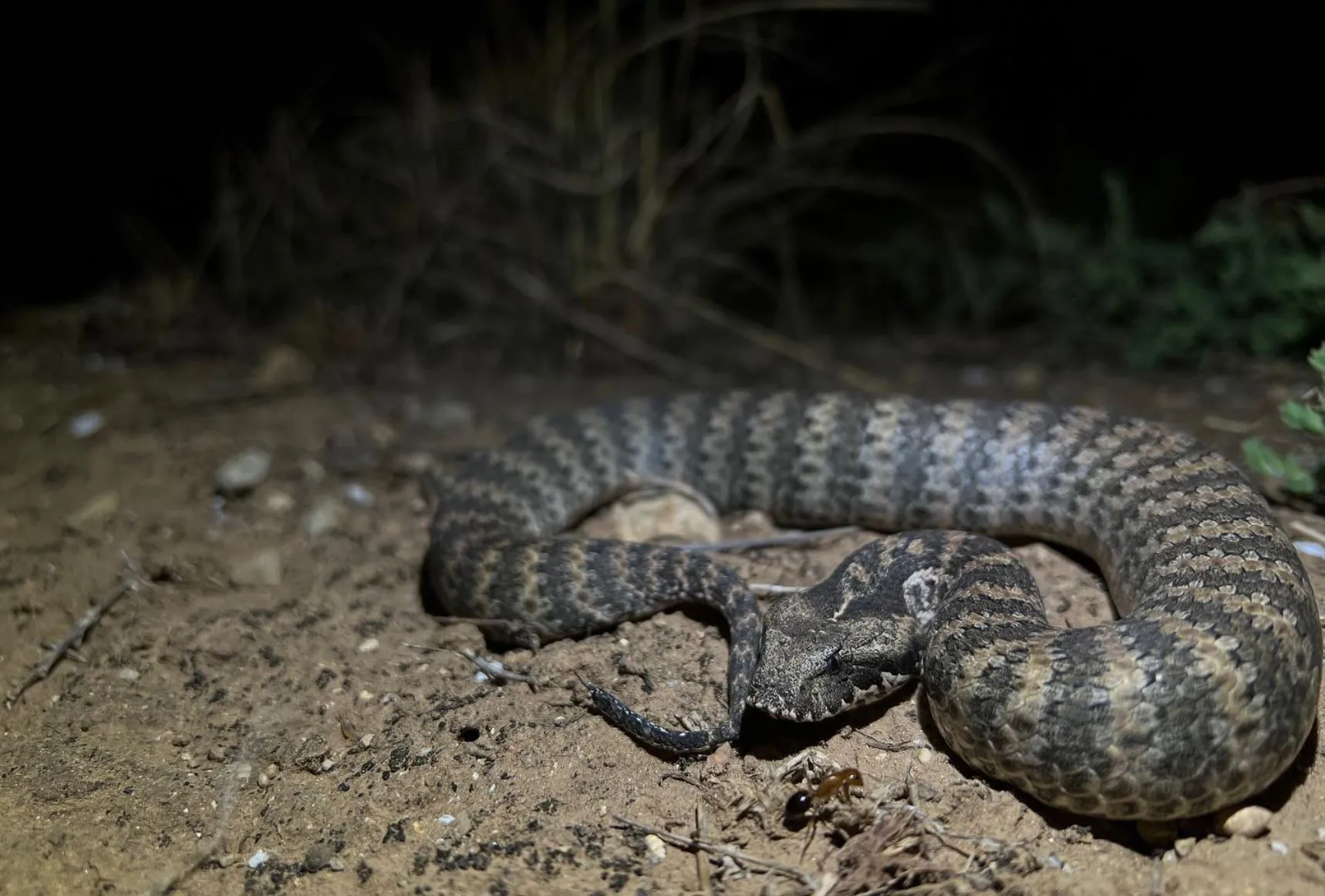
This is one of the most camouflaged snakes in Kakadu. Short and stocky with a broad triangular head, the Common Death Adder uses its tail as a lure to catch prey. It lies in wait under leaves or in dry grasslands, ready to strike fast.
Its venom is neurotoxic and dangerous, but bites are rare because it’s sedentary and avoids humans. Found mostly in the dry season, this snake shows the stealth and special hunting techniques many Kakadu snakes use.
Northern Brown Snake (Pseudonaja nuchalis)
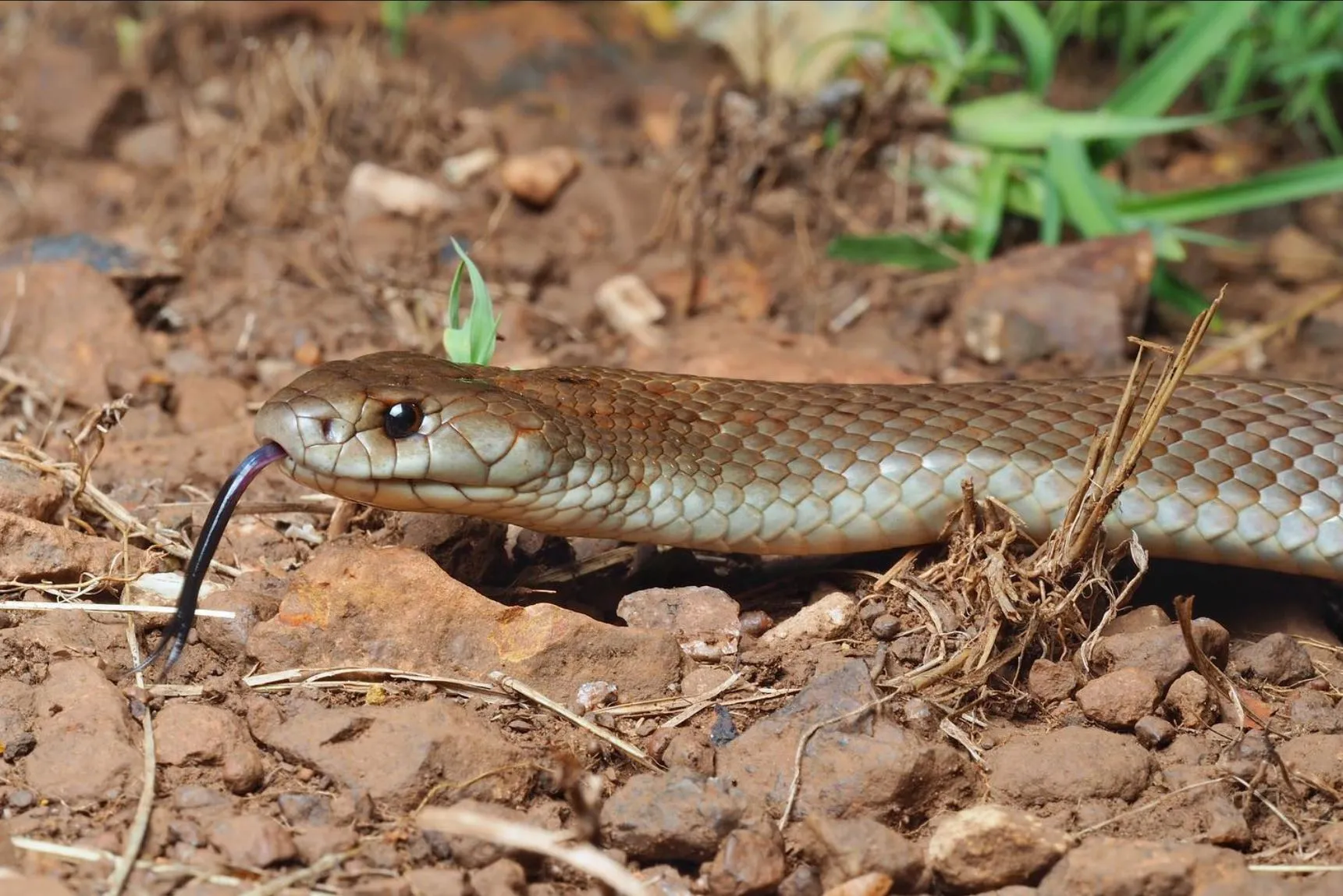
Fast and venomous, the Northern Brown Snake is responsible for more snake bites than most other Australian snakes. It likes open grasslands and rocky areas and is more visible after heavy rain when it hunts for frogs and small animals that emerge.
Its presence highlights the importance of understanding snake behaviour and following safety protocols when exploring Kakadu. Though a risk to humans, it’s an important part of the ecosystem and is protected by national park regulations.
Other Snakes
Kakadu is also home to smaller, lesser-known snakes like keelbacks, slaty-grey snakes and whip snakes. These snakes control insect and amphibian populations and provide food for predators.
The amazing array of wildlife in Kakadu, from the largest reptiles like freshwater crocodiles to tiny species of birds and reptiles, makes it one of Australia’s best wildlife destinations. Snakes are just one example of the incredible biodiversity here.
Snake Safety Tips for Visitors
If you’re heading to Kakadu, make sure you know how to stay safe while respecting the animals and their activities in the wild:
- Stick to the trails: Reduces the chance of stepping on or disturbing snakes.
- Wear boots and long pants: Especially when walking through grass or rocks.
- Don’t reach into holes or under logs: Snakes like shaded or cool spots.
- Be careful near water: Aquatic snakes are more active during the wet season.
- Respect wildlife: Never touch or disturb snakes. Most bites occur when snakes feel threatened.
FAQ
Are there venomous snakes in Kakadu?
Yes, Kakadu has several venomous species including the King Brown Snake and Common Death Adder. But snake bites are rare if you follow the rules.
Can I see snakes on a boat trip?
Yes, on a boat trip through coastal waters and billabongs you may see aquatic snakes like the Water Python or even freshwater crocodiles during the wet season.
When are snakes most active?
Snakes are more active during the wet season and breeding season when food is plentiful and the weather is good.
What’s the best way to see snakes in Kakadu?
Guided 2 day kakadu tours like those with Wildlife Tours are the safest and most informative way to learn about native snakes and Australian wildlife.
How do snakes help Kakadu’s ecosystem?
Snakes control populations of smaller animals. They are predator and prey in the food chain. Their role supports the abundance of food and species diversity in Kakadu.